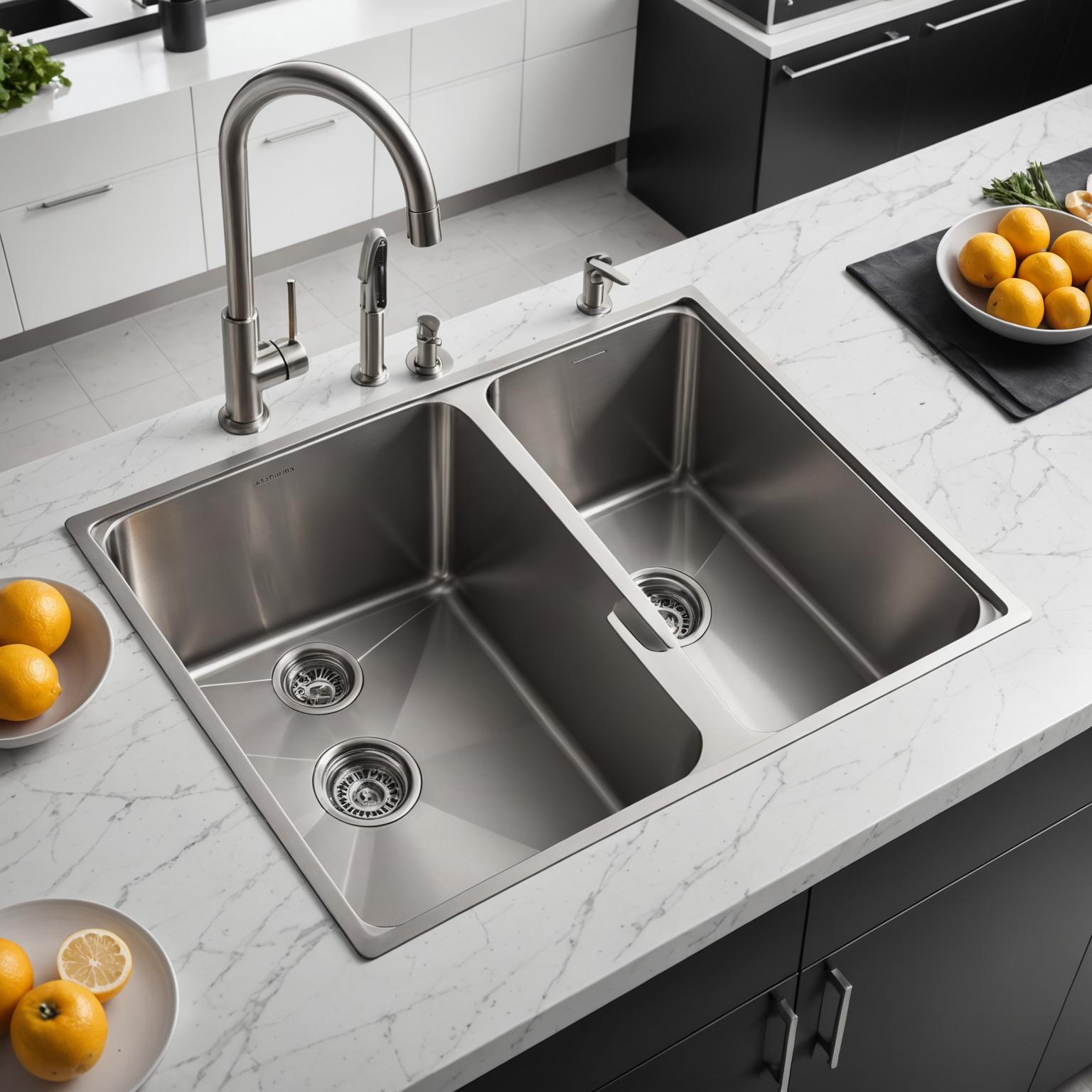


When upgrading a kitchen, major appliances often steal the spotlight, but the sink remains the unsung hero of daily workflow. A modern handmade kitchen sink, however, is designed to be more than just a basin for washing up; it’s an integrated workstation that can redefine your kitchen's efficiency and style. While traditional sinks serve a single, simple purpose, the latest innovations offer a multi-functional hub that contrasts sharply with the outdated designs of the past, transforming meal prep from a chore into a streamlined experience.
From Simple Basin to All-in-One Hub
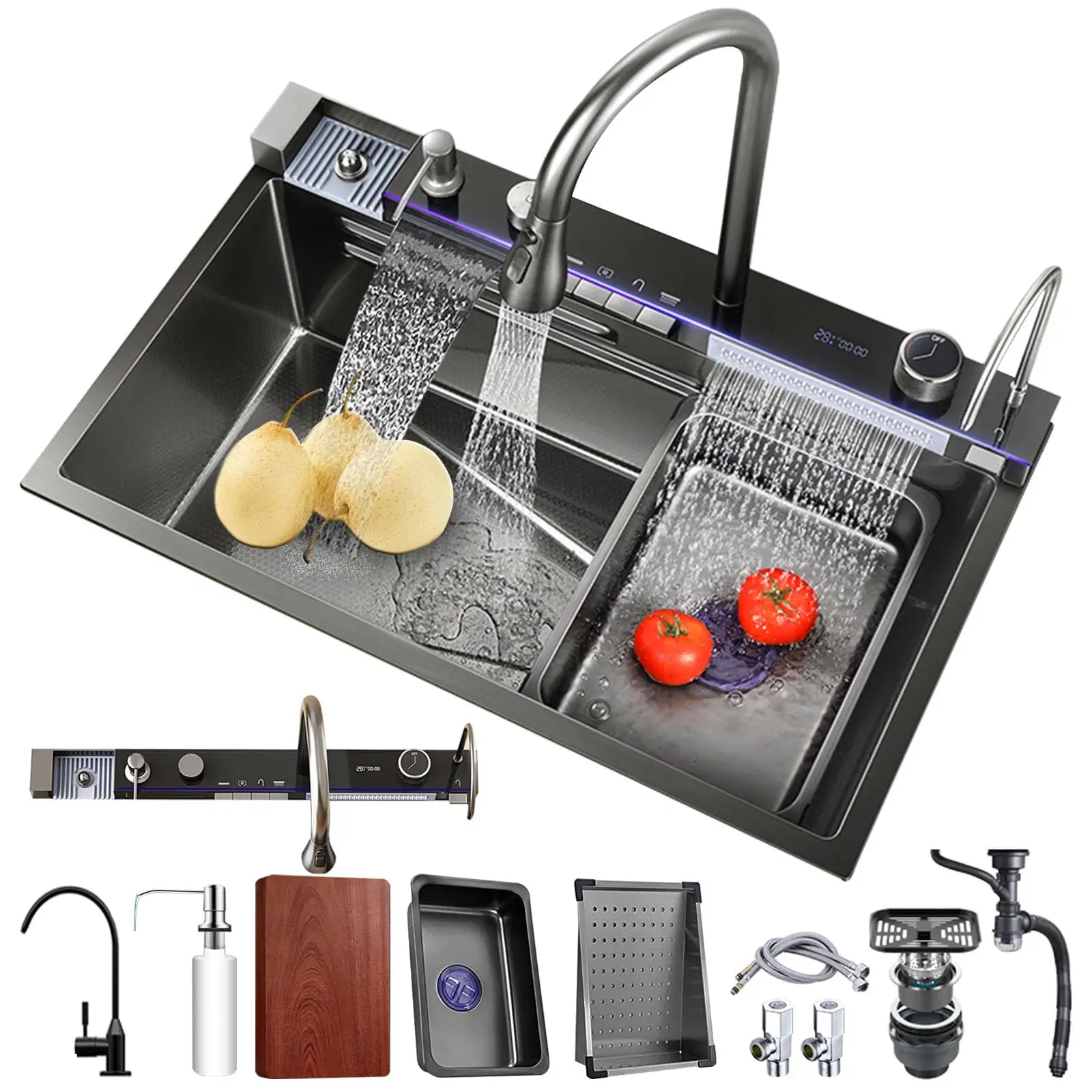
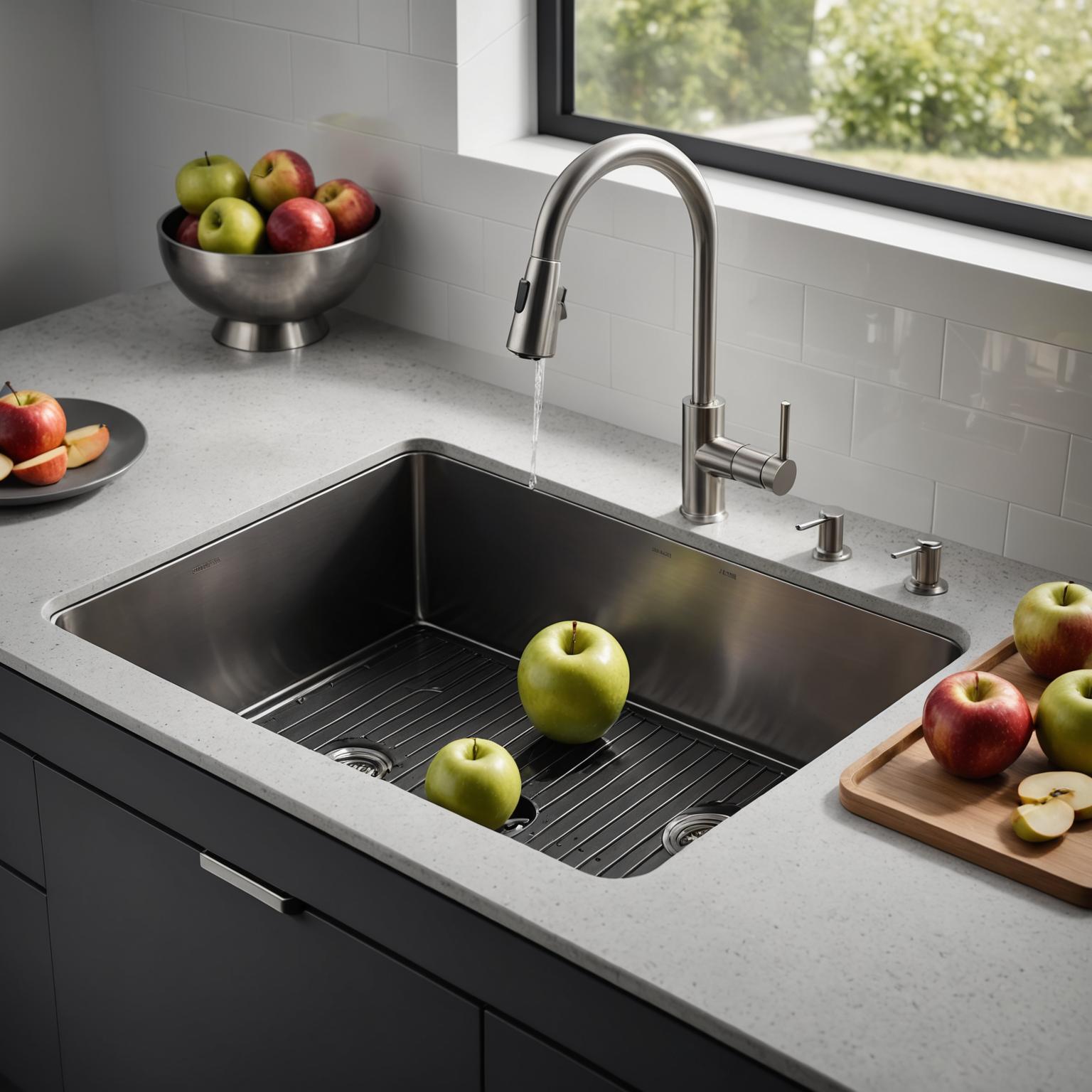
For decades, the kitchen sink changed very little. It was typically a simple basin—sometimes a double basin—used exclusively for washing dishes and hands. Any food preparation, like chopping or rinsing, required separate tools that cluttered the countertops and created a chaotic workspace. In contrast, the modern workstation sink reimagines this space entirely. It’s designed as a complete system with layered components that slide and fit together, turning the sink area itself into the primary zone for prep, washing, and even drying.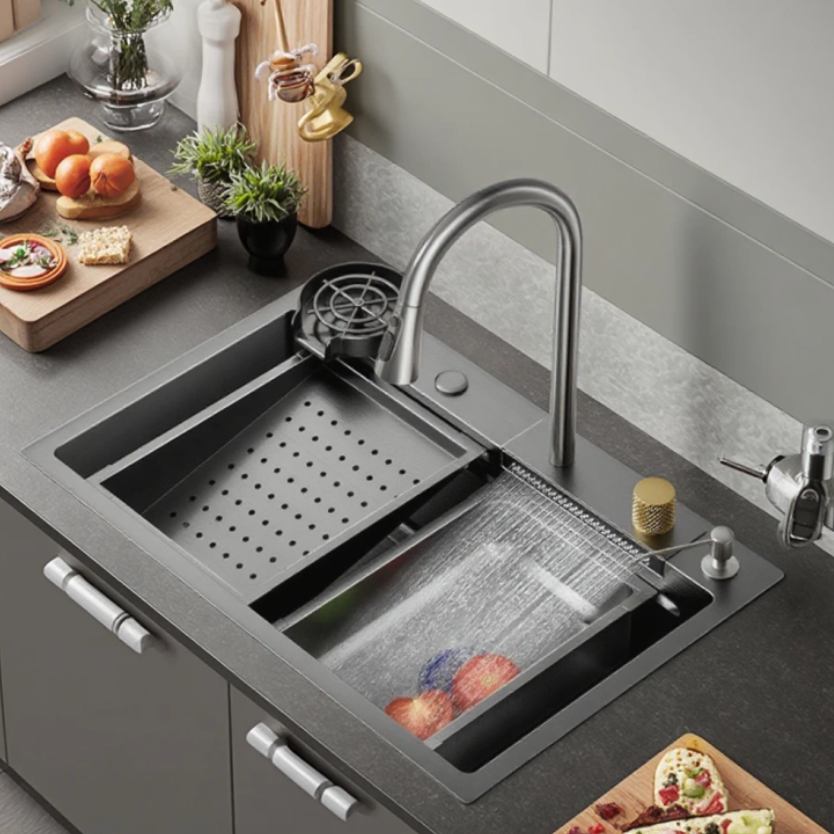
Integrated Tools vs. Countertop Clutter
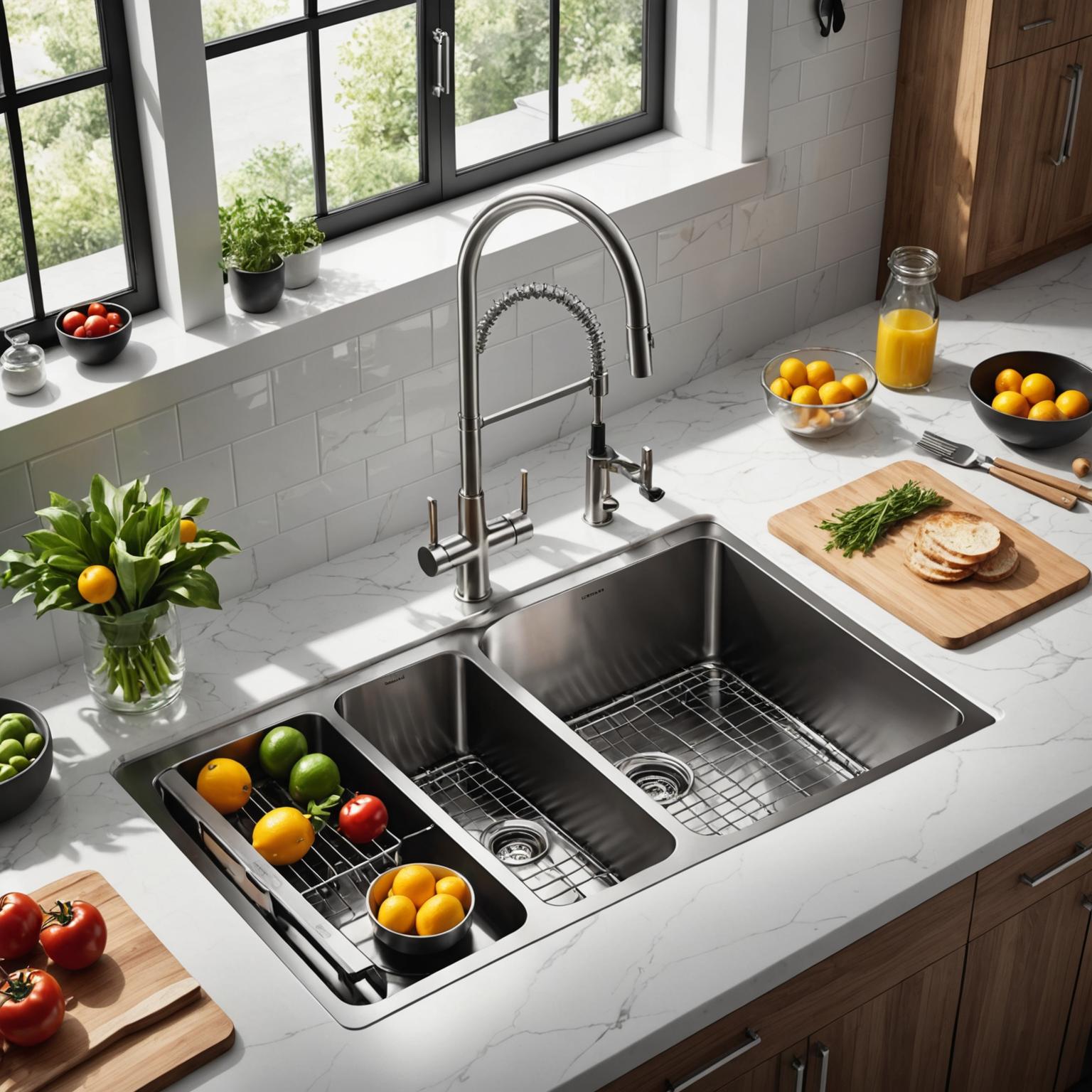
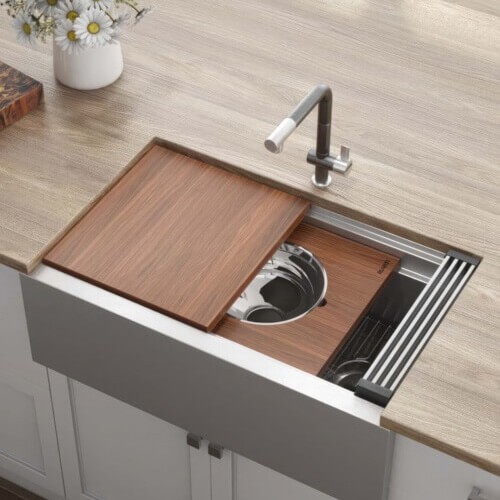
One of the most significant comparisons between a traditional sink and a workstation model lies in the integration of essential tools. Imagine your countertop free from a bulky cutting board, a separate colander, and a dish drying rack. A workstation sink achieves this by building these features directly into its design. It often includes a durable wood cutting board that fits perfectly over the sink, providing a stable chopping surface where scraps can be swept directly away. Beneath it, a custom-fit colander is ideal for rinsing vegetables or draining pasta, with water flowing neatly into the basin below. This starkly contrasts with juggling a slippery colander in one hand while operating the faucet with the other.
Modern Aesthetics Meets Lasting Quality
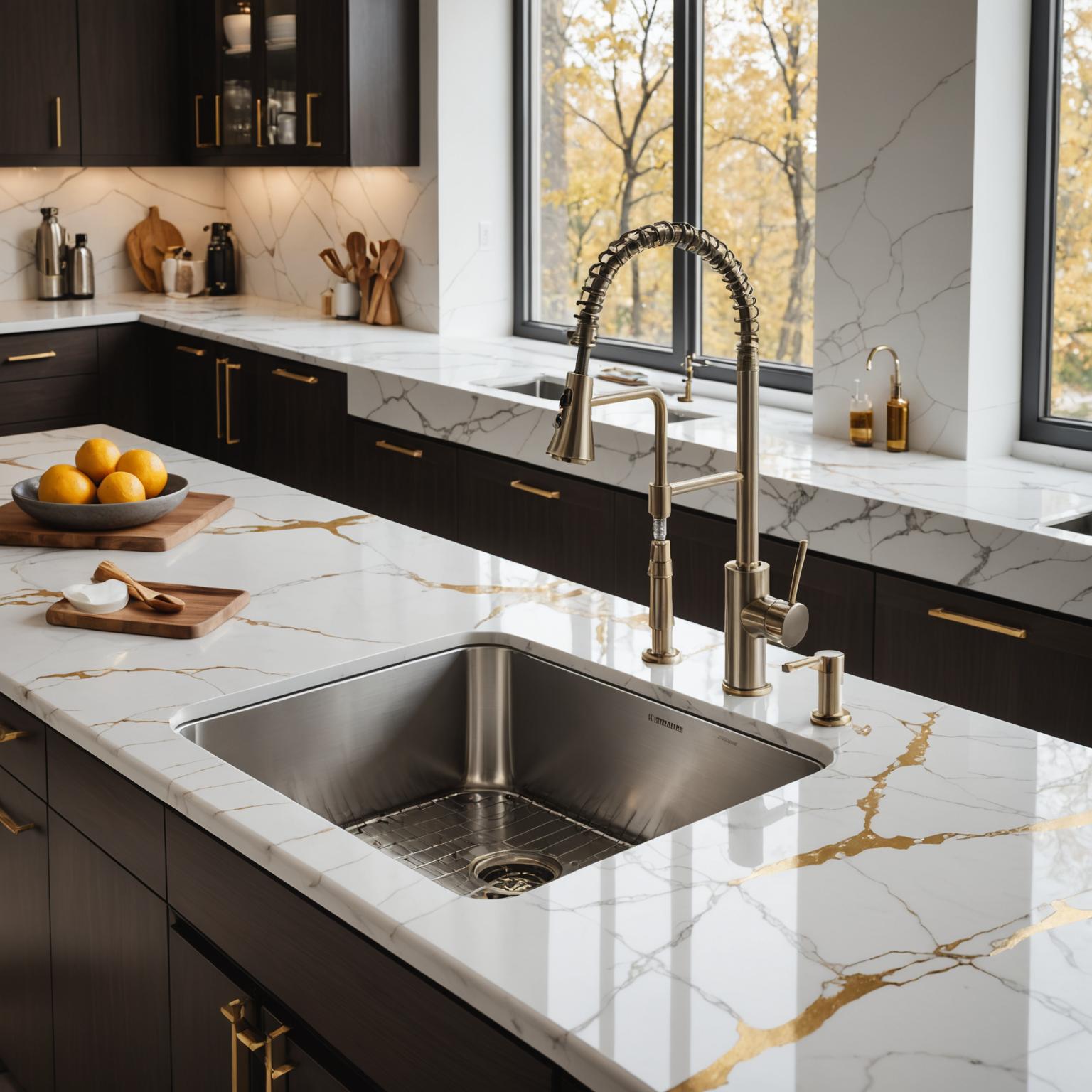
The evolution isn't just about function; it's also about form. Many modern workstation sinks feature a sophisticated farmhouse apron front, blending timeless charm with contemporary design. This style offers an ergonomic advantage over traditional undermount sinks by bringing the basin closer to the user. Furthermore, the material of choice is often high-grade stainless steel, which offers superior durability, stain resistance, and heat tolerance compared to older materials like enamel or porcelain, which could chip and stain over time. This type of handmade kitchen sink is engineered to be a lasting, beautiful centerpiece.
The Workstation Advantage: A Side-by-Side Look
Let's compare the workflow. With a traditional sink, preparing a large meal means moving between the counter, the sink, and back again, often leaving a trail of water and food scraps. A workstation sink centralizes these tasks. You can chop vegetables on the integrated board, rinse them in the colander, and place wet pots on the roll-up drying rack—all within the sink's footprint. This not only saves valuable counter space but also contains the mess, simplifying cleanup. The efficiency of a handmade kitchen sink designed as a workstation is simply unparalleled by its conventional counterparts.
A Smarter Investment for Your Kitchen
Ultimately, the choice between a traditional sink and a modern workstation comes down to how you use your kitchen. If you value efficiency, organization, and a clean aesthetic, the comparison is clear. While a basic sink just holds water, a workstation sink enhances your entire cooking process. It’s an investment that pays dividends in saved time, reduced clutter, and a more enjoyable culinary experience, proving that the right sink can be the most transformative upgrade you make.