

When designing or renovating a kitchen, the sink is often one of the most crucial decisions to make. It is not just a utility for washing dishes; it is a central workspace that impacts the room's overall efficiency and aesthetic. While there are many options on the market, choosing a handmade kitchen sink can elevate your space from merely functional to truly exceptional. But what sets a handmade sink apart from a standard, machine-pressed one? The differences lie in the craftsmanship, design, and ultimate performance, making it a worthy comparison for any homeowner looking to invest in quality.
The Art of Craftsmanship and Durability
The most significant distinction between handmade and machine-pressed sinks is the manufacturing process itself. A machine-pressed sink is created by stamping a single sheet of stainless steel with a mold. This process is fast and cost-effective, but it stretches the metal, often resulting in thinner corners and a less uniform thickness. Conversely, a handmade kitchen sink is constructed from individual panels of high-grade stainless steel, typically a thicker gauge like 16 or 18. Skilled artisans cut, bend, and weld these panels together, creating sharp, clean lines and tight, zero-radius or near-zero-radius corners. This meticulous construction results in a far more robust and durable product that is resistant to denting and bowing. The welds are carefully ground and polished to create a seamless finish, showcasing a level of quality that machinery alone cannot replicate.
Aesthetic Superiority and Modern Design
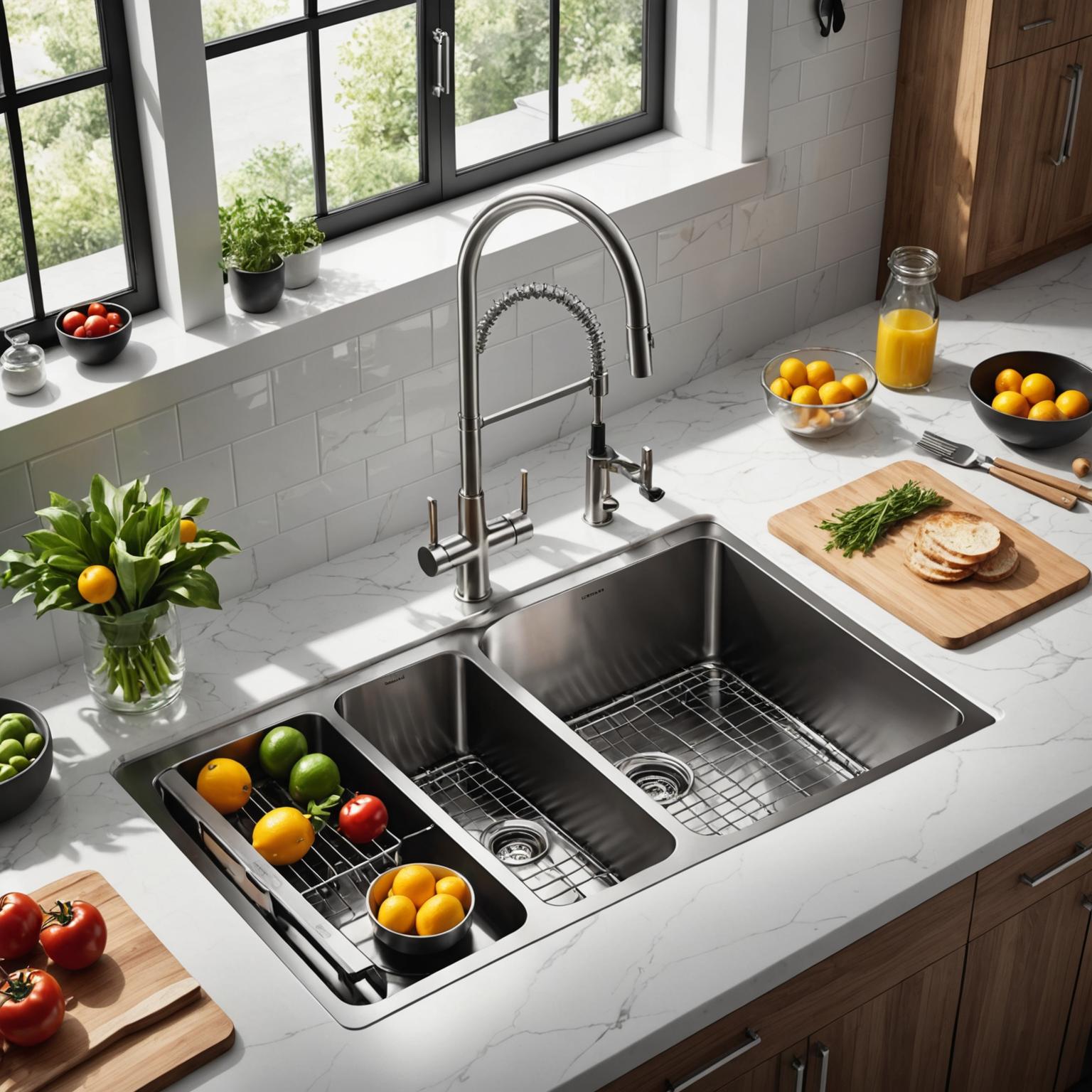
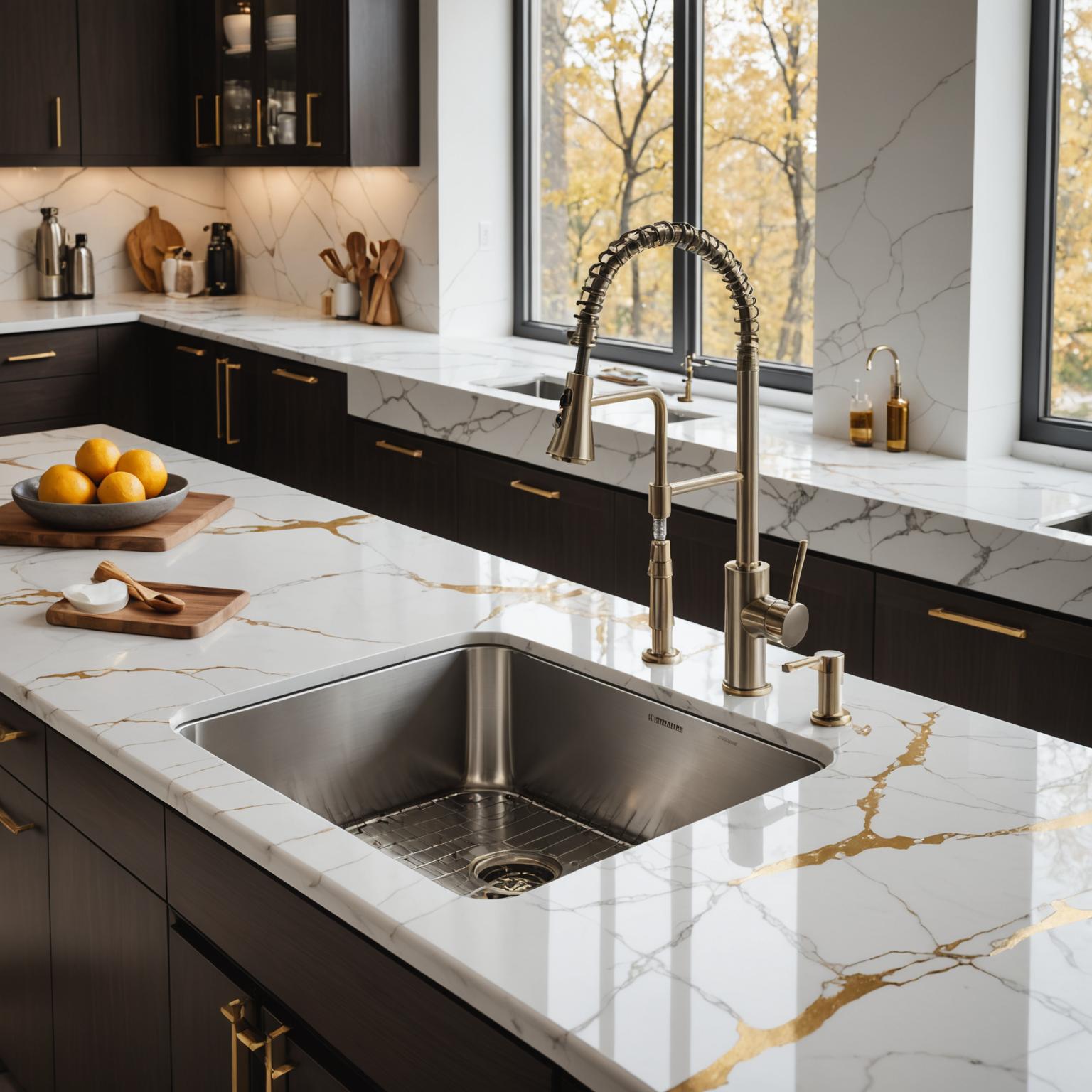
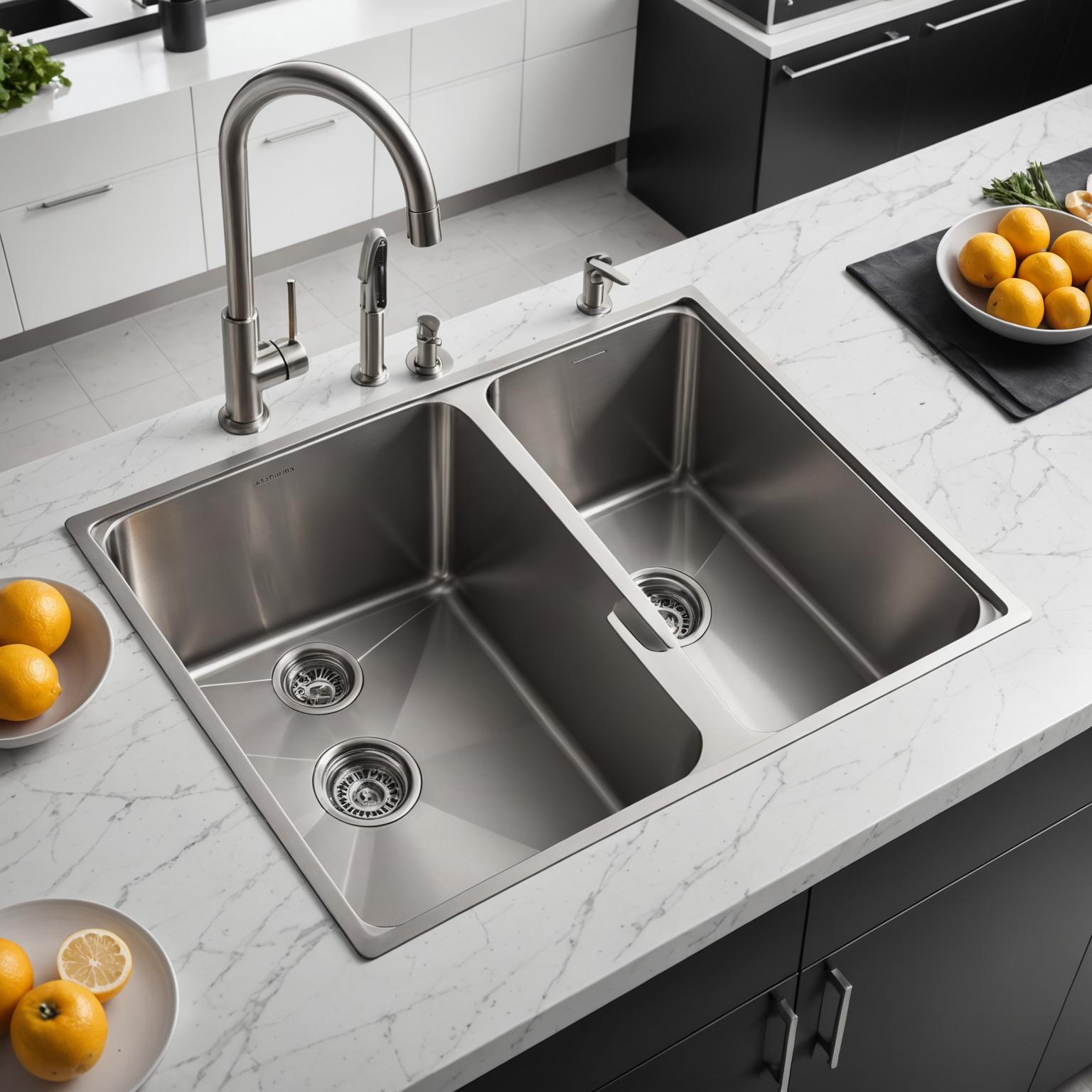
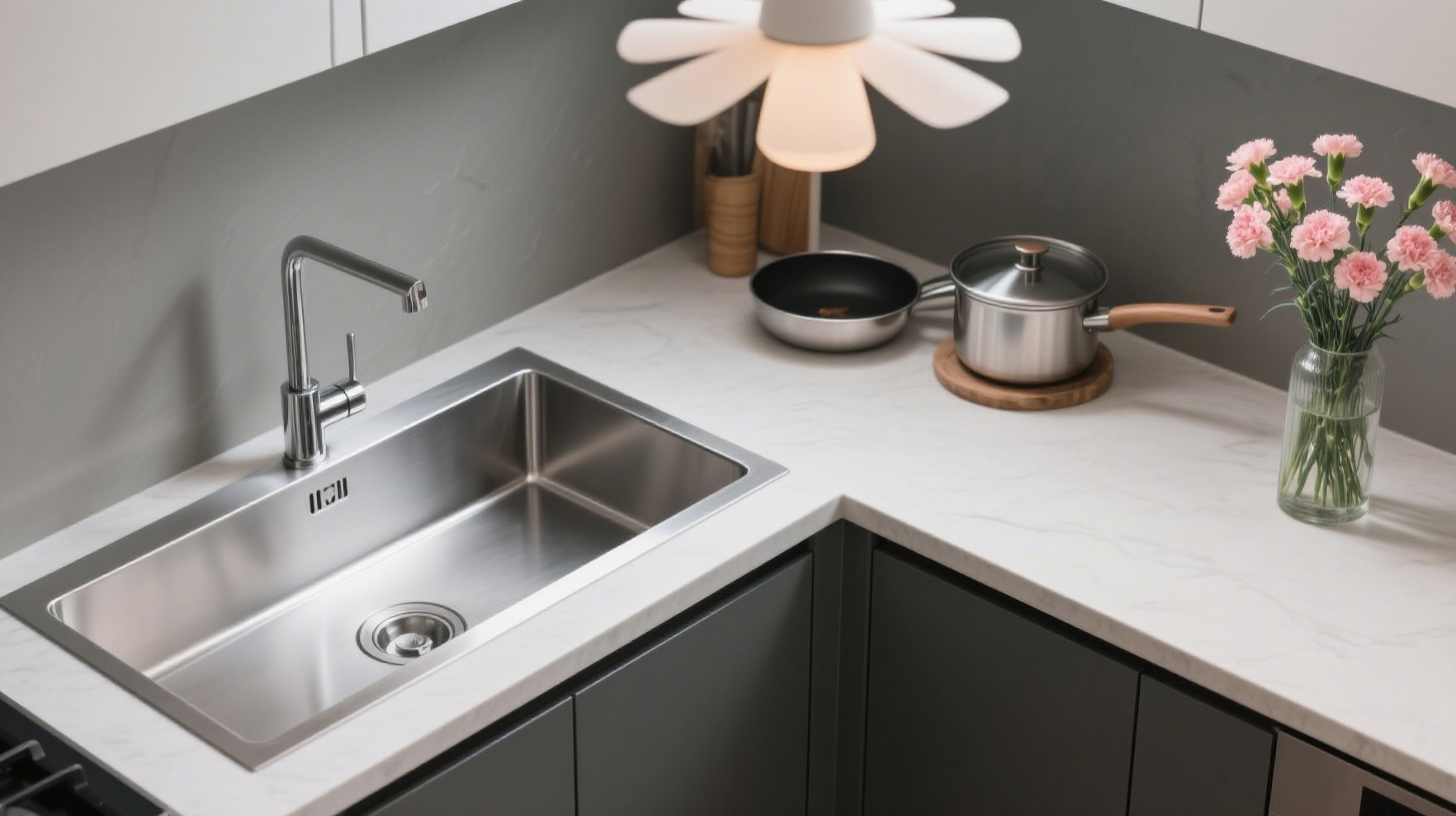
The visual difference is immediately apparent. Machine-pressed sinks have wide, rounded corners necessary for the stamping process, which can lend a softer, more traditional look. While functional, this design can feel dated in a contemporary kitchen. The handmade sink, with its precise, angular corners, offers a sleek, architectural aesthetic that complements modern and minimalist decor. This clean geometry maximizes the usable bowl space. The finish on a handmade sink is also typically superior, often featuring a brushed satin look that helps hide minor scratches and water spots while exuding a professional, high-end feel. When paired with a stylish high-arch faucet, this type of sink becomes a stunning focal point. A dual-basin configuration further enhances this modern appeal, providing a symmetrical and highly functional centerpiece for the kitchen.
Unmatched Functionality and Practicality
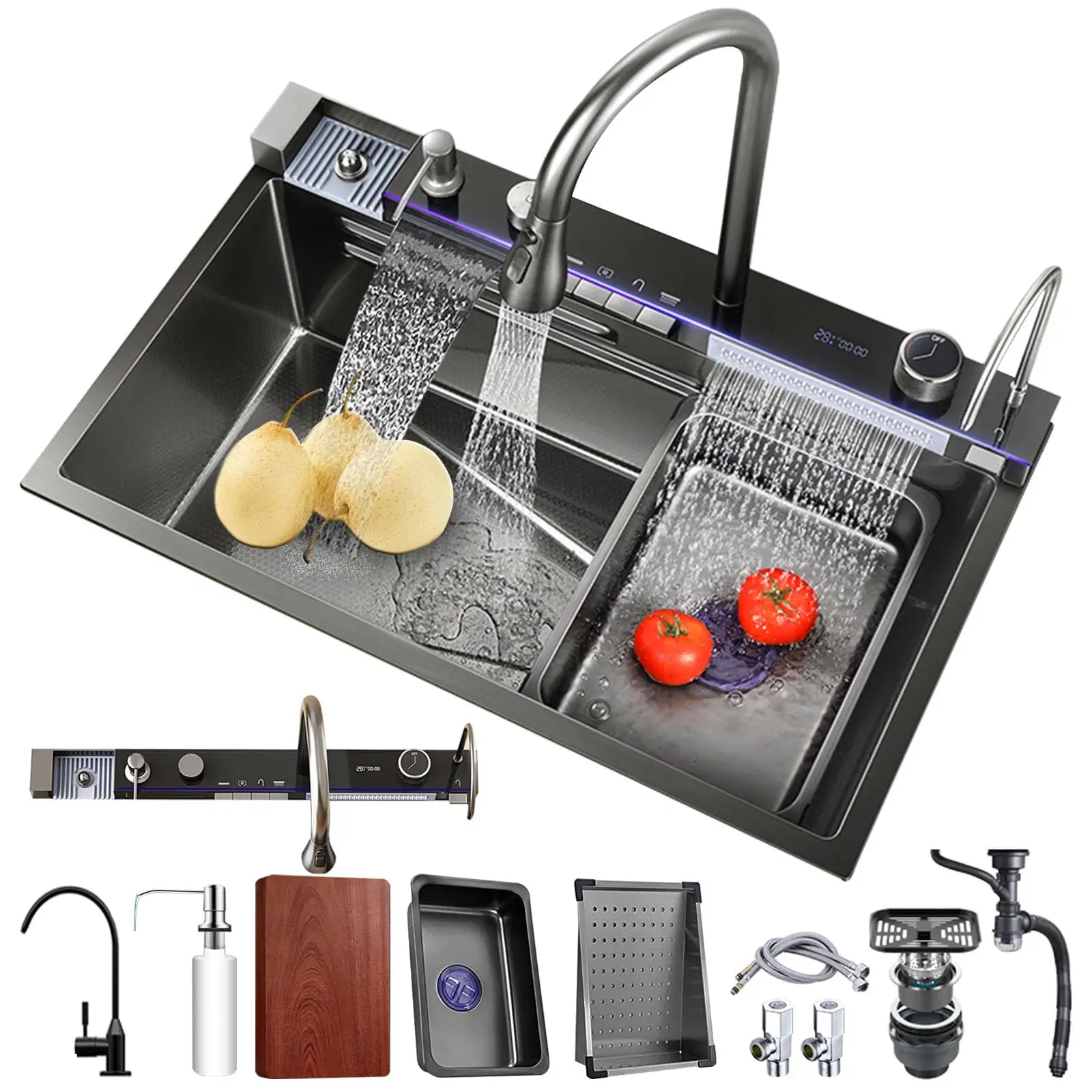
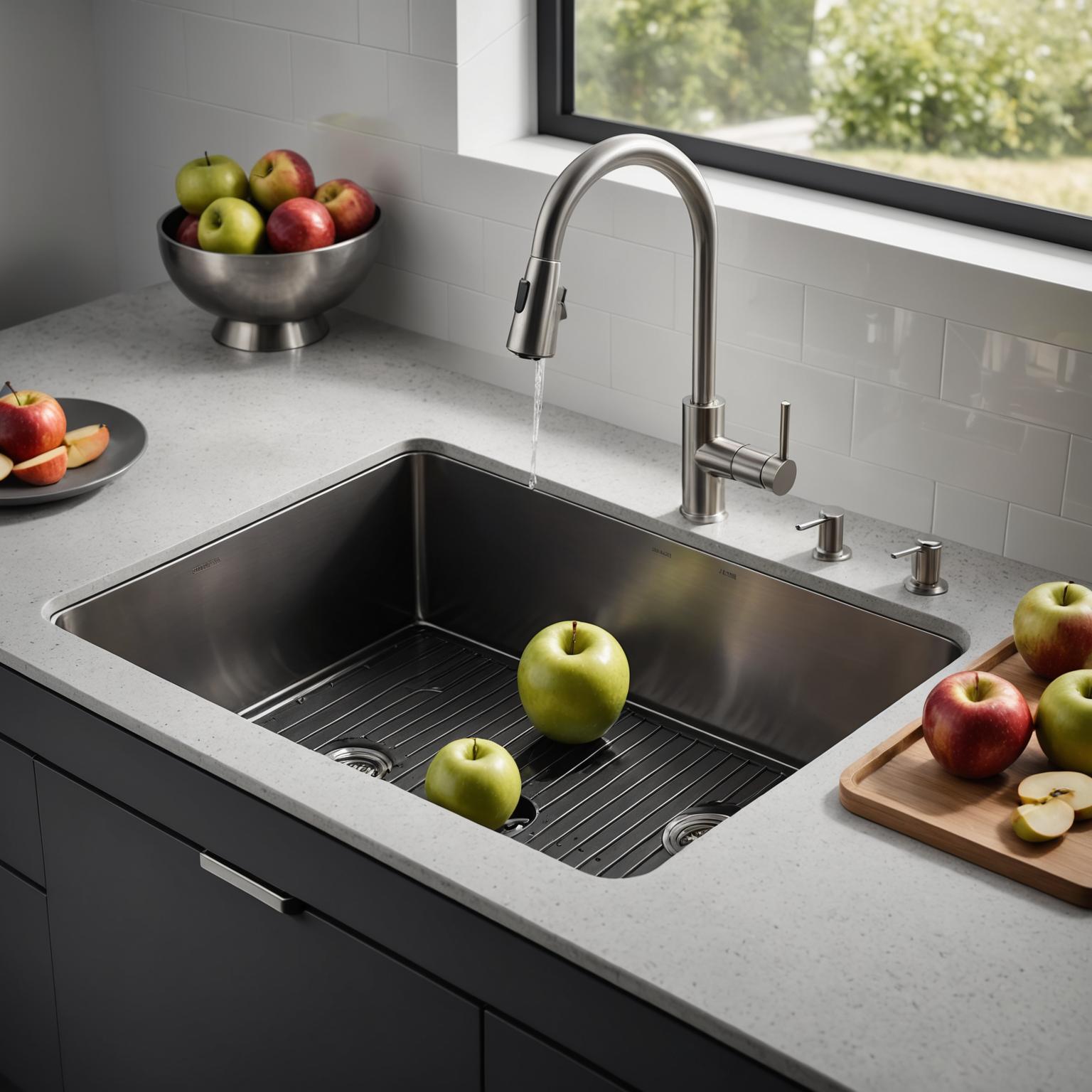
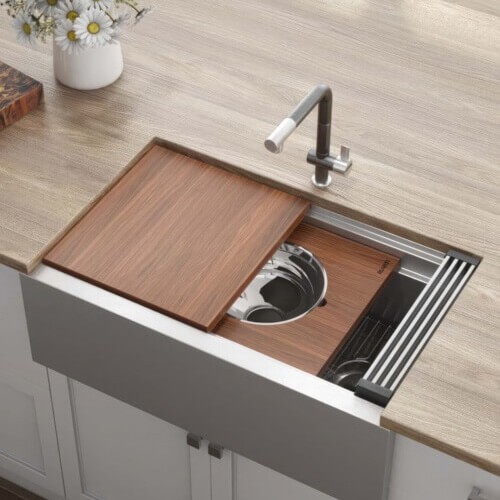
Beyond looks, the practical benefits of a handmade sink are substantial. The flat bottom and tight corners mean that large pots, pans, and baking sheets can sit flat in the basin, making them easier to soak and clean. The deeper bowl, a common feature of handmade models, can accommodate a larger volume of dishes, reducing clutter on the countertops. This superior design is often complemented by premium accessories. For example, a modern set might include a versatile high-arch faucet with a pull-down spray head, making it simple to rinse produce or spray down the entire basin. An integrated, built-in soap dispenser adds another layer of convenience, keeping the sink deck tidy and streamlined. This combination of maximized space and integrated features transforms the sink area into a highly efficient workstation, a stark contrast to the more limited capacity of many standard pressed sinks.